When selecting sports flooring systems, many buyers compare wet pour EPDM flooring with prefabricated sports flooring. Both systems are widely used in playgrounds, running tracks, schools, and public sports facilities, but their cost structures and long-term performance are quite different.
Wet Pour EPDM Flooring
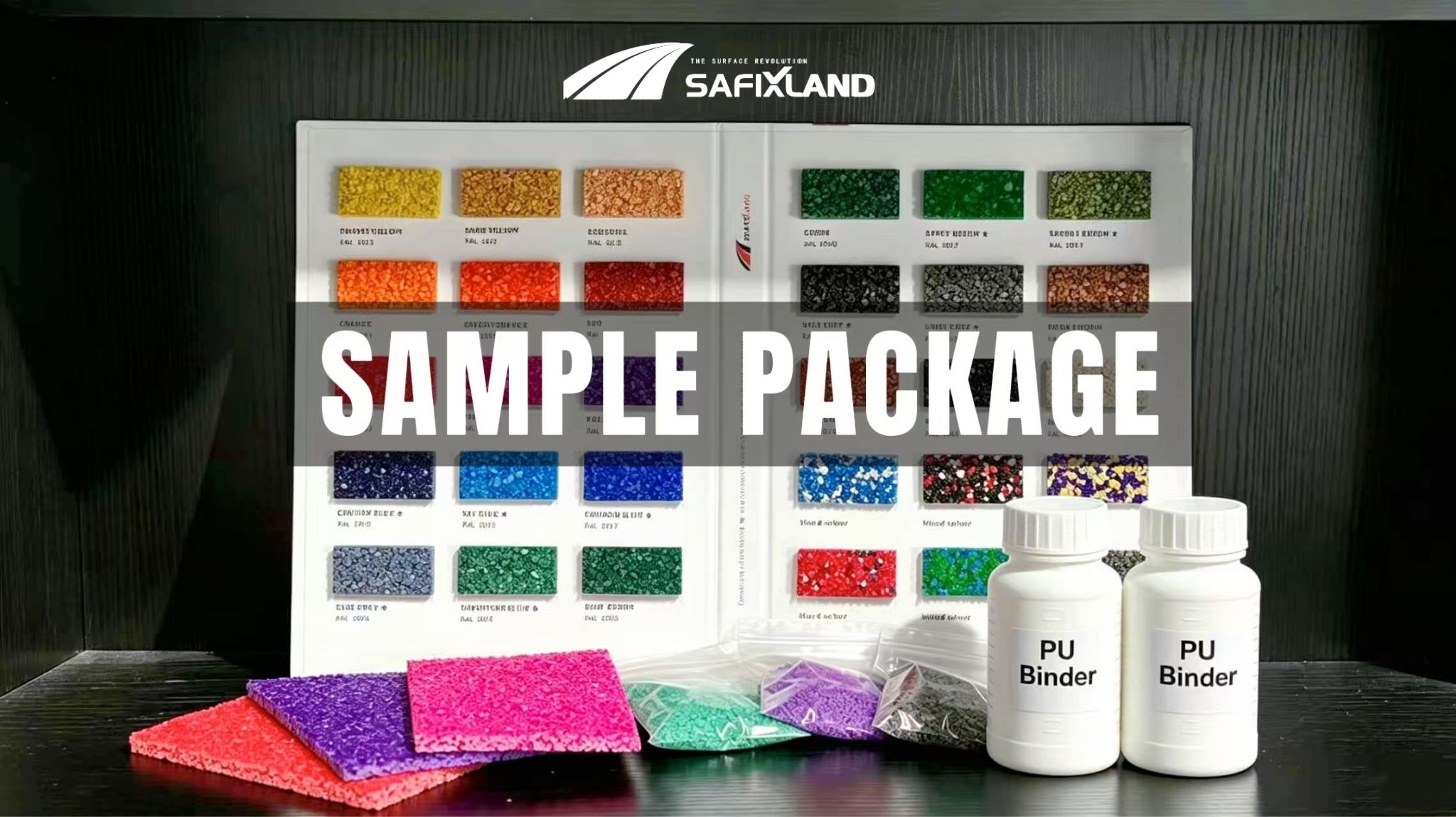
Wet pour systems are installed on-site by mixing EPDM granules with PU binder directly on the base surface.
Advantages
Lower initial material cost
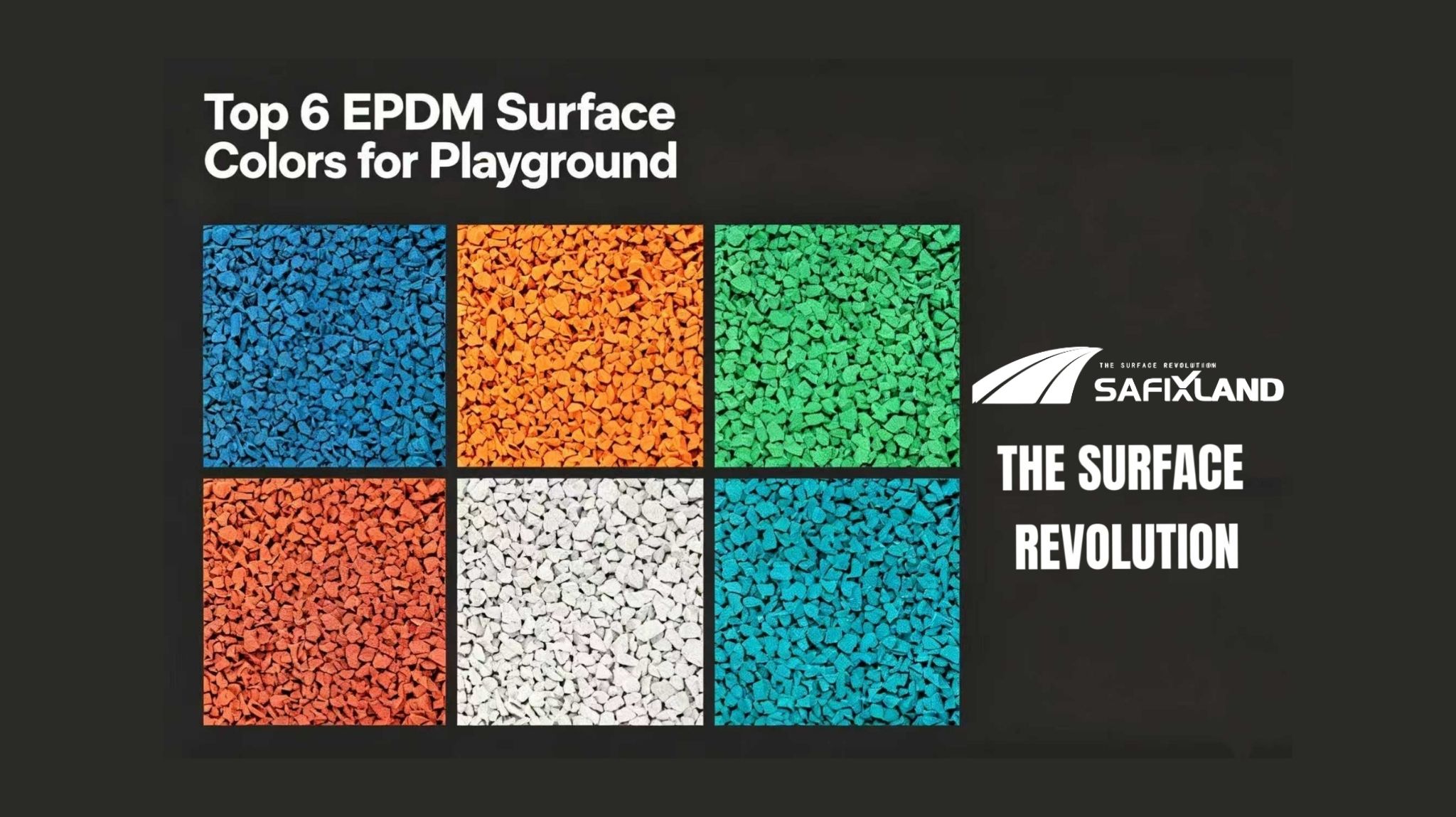
Flexible color and pattern customization
Suitable for complex shapes and creative designs
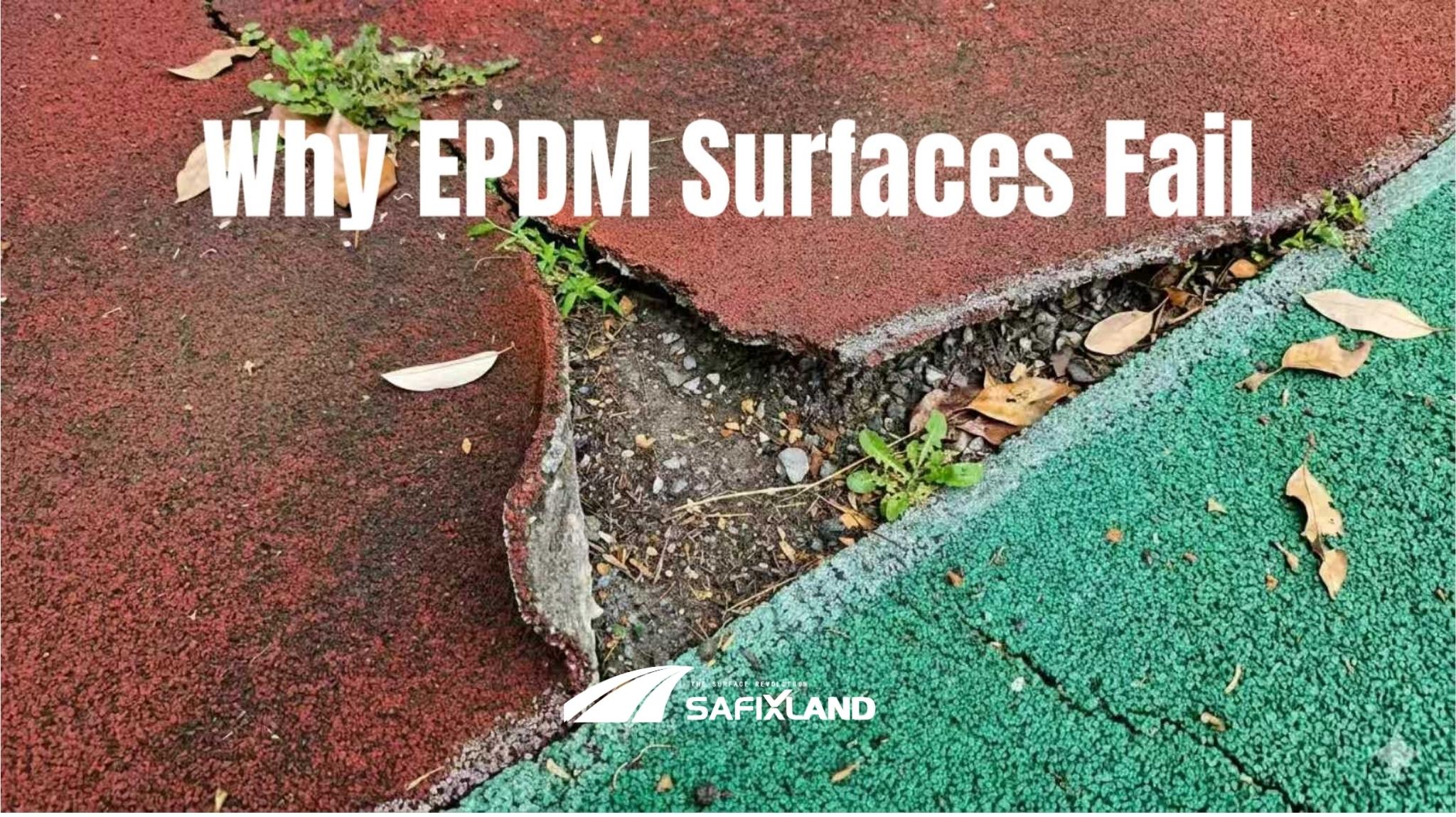
Easier local repair and maintenance
Limitations
Requires experienced installation teams
Longer installation time
Weather conditions may affect installation quality
Wet pour EPDM is widely used in playgrounds, community sports areas, and outdoor recreational projects.
Prefabricated Sports Flooring
Prefabricated flooring is manufactured in factories as rolls or sheets and then installed directly on-site.
Advantages
Faster installation
More stable factory-controlled quality
Better consistency in thickness and appearance
Reduced on-site labor cost
Limitations
Higher product and transportation costs
Limited design flexibility
More complicated repair process
Prefabricated systems are commonly used for professional stadiums, large sports venues, and projects with strict construction schedules.
Which Option Is More Cost-Effective?
For most schools, community projects, and public playgrounds, wet pour EPDM flooring is generally more cost-effective because of its lower initial investment and greater design flexibility.
For professional sports facilities that require faster installation and highly standardized performance, prefabricated flooring may provide better long-term operational efficiency.
The final choice mainly depends on:
Project budget
Construction timeline
Surface design requirements
Long-term maintenance expectations
Local climate conditions
Conclusion
Both wet pour EPDM and prefabricated sports flooring have their own advantages. The most cost-effective solution is not simply the lowest price, but the system that best matches the project’s performance, durability, and maintenance requirements.
R E L A T E D A R T I C L E S